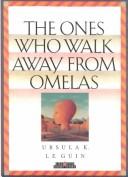
Short one this time. Renata mentioned this gets referenced constantly in philosophy classes and I figured a ten-page story was a light week between two doorstops, and instead it’s the one that’s sat with me longest out of everything I’ve reviewed here.
The setup: a city called Omelas, perfect in every way you’d want a city to be, festivals and horses and no want anywhere. Then Le Guin turns the whole thing sideways in a couple paragraphs by telling you the entire city’s happiness depends on one child locked in filth and misery in a basement somewhere, and everyone in Omelas knows it, and everyone accepts it, because the math works out in the city’s favor. Most people, once they’re old enough to understand the deal, stay. A few walk away, and the story never tells you where they go, or if anywhere’s better.
It’s basically a trolley problem wearing a fairy tale, and it’s brutal specifically because it refuses to resolve. Le Guin doesn’t tell you Omelas is wrong. She just makes you sit with the arithmetic and asks what you’d do, which is a much harder question than a story that hands you a villain to hate.
I’ll admit it got under my skin in an uncomfortable way, thinking about how much of anybody’s comfortable life runs on some version of that basement somewhere out of sight, a supply chain, a warehouse, somebody’s bad shift so somebody else’s shelf stays stocked. That’s not a stretch Le Guin’s making for you either, it’s just what the story does once you let it sit.
Ten pages. Read it in one sitting on a lunch break, and then found myself still thinking about it three shifts later. Can’t ask for much more out of a short story than that.